
Decoding the Importance of Food Market Trends and Analysis
- Ali Marjan
- Dec 30, 2025
- 4 min read
When I first dipped into the food business, I thought passion alone would carry me through. Boy, was I wrong! The food industry is a jungle, and without a map, you’re just wandering. That map? It’s called food market trends. Understanding these trends is like having a secret weapon. It’s the difference between guessing and knowing, between hoping and winning.
Let’s dive deep into why decoding food market trends is not just smart but essential. Ready to unlock the power behind the numbers, the flavors, and the shifting consumer desires? Let’s go!
Why Food Market Trends Matter More Than Ever
Food is not just fuel anymore. It’s culture, lifestyle, health, and even identity. Trends in the food market reflect these evolving values. If you want to launch a new product or expand your business, ignoring these trends is like sailing without a compass.
Here’s why food market trends are your best friend:
Spotting Opportunities Early: Trends reveal what’s hot before it becomes mainstream. Imagine launching a plant-based snack before everyone else jumps on the bandwagon.
Avoiding Costly Mistakes: Investing in products that don’t resonate with consumers? That’s a recipe for disaster. Trends help you avoid that.
Tailoring Your Marketing: Knowing what your audience craves lets you craft messages that hit home.
Staying Competitive: The food industry moves fast. Trends keep you in the race, not left behind.
For example, the rise of sustainable packaging is a trend that’s reshaping how food companies operate. If you’re still using plastic-heavy packaging, you might lose customers to brands that care about the planet.
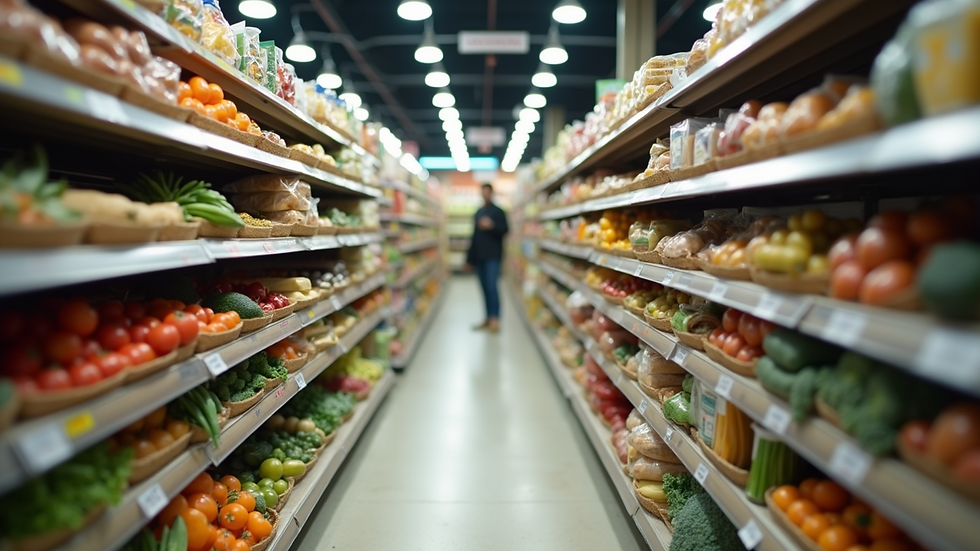
Exploring Food Market Trends: What’s Shaping the Industry?
Food market trends are like waves - some small, some tidal. Here are the biggest waves I see shaping the industry right now:
1. Health and Wellness Take Center Stage
Consumers want food that fuels their bodies and minds. Clean labels, superfoods, and functional ingredients are booming. Think turmeric lattes, collagen snacks, and gut-friendly probiotics.
2. Plant-Based Explosion
Plant-based is a revolution, it just hasnt found its feet yet and that is mainly due to its lackluster beginnings with sub-par quality products. However it has significantly improved. From meat alternatives to dairy-free cheeses, the plant-based market is growing at lightning speed. It’s about ethics, health, and environment.
3. Convenience Without Compromise
Busy lives demand quick, easy meals. But people don’t want to sacrifice quality. Ready-to-eat meals with fresh, natural ingredients are winning hearts.
4. Sustainability and Transparency
Consumers want to know where their food comes from and how it’s made. Ethical sourcing, carbon footprint reduction, and zero waste are no longer optional.
5. Global Flavors and Fusion
The world is a melting pot of tastes. Exotic spices, fusion dishes, and authentic ethnic foods are trending as people crave new experiences.
These trends aren’t isolated; they overlap and influence each other. Understanding this complex web is key to making smart business moves.
What is food analysis in the food industry?
Food analysis is the scientific process of examining food products to understand their composition, quality, safety, and nutritional value. It’s the backbone of innovation and quality control in the food industry.
Why does it matter? Because knowing exactly what’s in your product helps you:
Ensure safety and compliance with regulations
Maintain consistent quality
Develop new products that meet consumer demands
Optimize nutritional profiles to align with health trends
For example, if you’re launching a gluten-free product, food analysis confirms it meets the gluten-free standards. It’s not just about marketing claims; it’s about trust.
Food analysis also helps identify potential allergens, contaminants, and shelf-life stability. It’s a critical step before your product hits the shelves.

How to Use Food Market Trends to Your Advantage
Knowing trends is one thing. Using them effectively is another. Here’s how I recommend turning insights into action:
1. Research Deeply and Regularly
Don’t rely on one report or article. Dive into multiple sources: market reports, consumer surveys, social media buzz, and competitor analysis. Trends evolve fast.
2. Test Your Ideas
Before a full launch, test your product or concept with a small audience. Use feedback to refine and adapt.
3. Innovate with Purpose
Innovation should solve a problem or fulfill a desire. Don’t innovate just to be different. Align your product with a clear trend and consumer need.
4. Communicate Clearly
Your marketing should highlight how your product fits the trend. Use simple, direct language that resonates.
5. Monitor and Adapt
After launch, keep an eye on sales data, customer feedback, and emerging trends. Be ready to pivot if needed.
For instance, if you notice a growing demand for keto-friendly snacks, consider reformulating or launching a new product line that fits this niche.
The Power of Food Market Analysis in Driving Success
Here’s the secret sauce: combining trend insights with solid food market analysis. This analysis digs into consumer behavior, competitor moves, pricing strategies, and distribution channels.
It’s like having a GPS for your business journey. You can:
Identify gaps in the market
Understand what drives consumer choices
Price your products competitively
Choose the right retail partners
Without this analysis, you’re flying blind. With it, you’re a force-driven powerhouse, ready to shake up categories and lead change.
Moving Forward: Your Next Steps in the Food Industry
The food industry is a thrilling, fast-paced world. To thrive, you need more than passion. You need insight, strategy, and agility.
Here’s what I suggest you do next:
Start tracking food market trends today - subscribe to newsletters, join industry groups, and follow thought leaders.
Invest in food analysis tools or partnerships - ensure your products meet quality and safety standards.
Experiment boldly but wisely - use small-scale tests to validate ideas.
Build a brand story around your values - sustainability, health, or innovation.
Stay curious and adaptable - the market will keep changing, and so should you.
Remember, the food market is not just about selling food. It’s about creating experiences, solving problems, and leading change. When you decode the importance of food market trends and analysis, you’re not just surviving - you’re thriving.
Go ahead, make your mark. The food world is waiting for your next big idea!



Comments